Make Sure Your Nursing Home Is Giving You The Correct Medication

As a resident of a nursing home or assisted living facility, there are many things you rely upon the facility to help you with. One of the most important, perhaps, is the administration of prescription or over-the-counter medications. If the facility gives you the wrong medication, the consequences can be dire, even fatal.

In an article posted today, KSAX, an ABC affiliate in Minnesota, reports on such a medication error. According to reporter Megan Matthews, the facility gave another's medication to a resident. The result was death. According to the CEO of Fair Oaks Lodge, Mr. Joel Beiswenger, the medication error and resulting death was "just one of those things that happened. Nobody intended to do anything, and it was the human making the tragic error."  a 

Mr. Beiswenger appears to either honestly miss, or simply ignore, an important point: Similar medication errors have occurred no fewer than two other times at the facility. This facts leads me to question whether Mr. Beiswenger or Fair Oaks Lodge have taken adequate steps to find the root cause of such errors. Was the facility adequately staffed for the number and acquity of the residents? Was the staff adequately trained to ensure medications were given only to the proper resident? Were there safeguards in place to prevent a medication error which led to a resident's death?

If you are a resident of a nursing home or assisted living facility, make sure the medications you receive are, in fact, your own. Make sure you receive them in the correct dosages at the proper times. The life you save may be your own. If you are the family member of a nursing home or assisted living facility resident, make sure the facility takes adequate precautions to prevent medication errors. Such medication errors can and do occur and, as demonstrated by the incident at Fair Oaks Lodge, the results can be catastrophic.

Nursing Homes Do Not Always Hire Qualified Caregivers

The Idaho Department of Health and Welfare, Bureau of Facility Standards is the state agency that conducts "surveys" of Idaho's nursing homes to make sure they are in compliance with all applicable federal and state regulations. It may surprise you that in the most recent survey available, for the period of January through June 2009, there were seven (7) citations issued for facilities who hired staff "guilty of abuse." Although this may not seem like a large number of citations, remember two things: (1) This survey was for a six month period; and (2) There were only 64 surveys conducted.

What drives facilities to make such an egregious and potentially harmful hiring decision? First and foremost, facilities often do not conduct appropriate and thorough background checks on applicants. Second, many facilities do not pay for quality staff and, thus, they "scrape the bottom of the barrel" of the employee pool. Third, some facilities simply need to "fill the void" when existing staff leave and may believe that some staff is better than no staff. Of course, none of these "excuses" for hiring staff "guilty of abuse" are "reasons" for substandard hiring practices.

Before choosing a nursing home, make sure you ask the appropriate administrator what type of background checks are conducted on potential employment candidates. Also ask if the facility has received any citations from the Idaho Department of Health and Welfare's Bureau of Facility Standards. If the facility has received any citations, ask to see them and what the facility did to correct its conduct.

Did Lack Of Training Lead To A "Preventable Death" In A Colorado Assisted Living Facility?

According to a December 12, 2009, online article by Jeffrey Wolf and Kevin Torres of Colorado's 9news.com, 87 year old Eldon Foster "strayed away" from his assisted living facility in the freezing temperatures and, ultimately died of exposure. What is shocking is that Mr. Foster was found by an employee of the facility and returned to his bed; he did not die in the outdoors.

The circumstances of Mr. Foster's death are, indeed, tragic. Mr. Foster had been diagnosed with Alzheimer's disease. According to the article, Mr. Foster wandered away from the facility, wearing only a T-shirt and his underwear,at around 2:30 a.m.; the temperature outside was 3 degrees Fahrenheit. The aide found him Mr. Foster lying on the sidewalk "about 15 feet from the door" with a cut on his head. Instead of calling 911, however, she simply assisted Mr. Foster back to his bed. The aide checked on Mr. Foster again after about an hour; he was unresponsive. Only then did the aide call 911.

Although the owners of the assisted living facility say this was a tragic "accident that could have been prevented," because of the facility's policies, what is more telling is the fact that the aide had worked for the facility "on and off for nine years." This fact leads me to believe the aide was simply not properly trained to perform her job. If the facility had properly trained her, there would have been no doubt in the aide's mind about what needed to be done when she found Mr. Foster. I am sure the assisted living facility, no doubt, conducted a training session immediately after this tragedy. Unfortunately, for Mr. Foster and his family, that training came too late.
If you or a family member is a resident of an assisted living facility or nursing home, be sure to ask about the training staff receives concerning the facility's policies and procedures. This not-so-gentle reminder may lead to proper training of the staff and, ultimately, save a life.

Handwashing Will Protect Nursing Home Residents From Infection

With all the news about H1N1 "Swine Flu," focus has turned to methods to protect ourselves from becoming infected. The Swine Flu is serious, no doubt, but the methods for protecting yourself from becoming infected with the Swine Flu apply to ensuring you are not infected by just about any similar contagious disease.

RISKS OF BECOMING INFECTED WITH THE FLU VIRUS

According to the Centers for Disease Control and Prevention (CDC), although people 65 years old and older are least likely to become infected with the H1N1 Swine Flu virus, if such a person does get infected, they are at "high risk" to develop serious complications from the virus. Additionally, the CDC believes those 65 years and older are at "increased risk" for serious complications from the seasonal flu as well. As a nursing home or assisted living facility resident, how can you protect yourself? Simple, wash your hands and make sure all those who come in contact with you do the same.

PROPER HANDWASHING IS A SIMPLE AND EFFECTIVE PREVENTATIVE MEASURE

The CDC believes: "Handwashing is a simple thing and it is the best way to prevent infection and illness." Although handwashing seems like a simple process, which all of us have seemingly been doing since we were 2 years old, the CDC provides the following guidelines for effective and proper handwashing:

When washing hands with soap and water:

  • Wet your hands with clean running water and apply soap. Use warm water if it is available.
  • Rub hands together to make a lather and scrub all surfaces.
  • Continue rubbing hands for 15-20 seconds. Need a timer? Imagine singing "Happy Birthday" twice through to a friend.
  • Rinse hands well under running water.
  • Dry your hands using a paper towel or air dryer. If possible, use your paper towel to turn off the faucet.
  • Always use soap and water if your hands are visibly dirty.
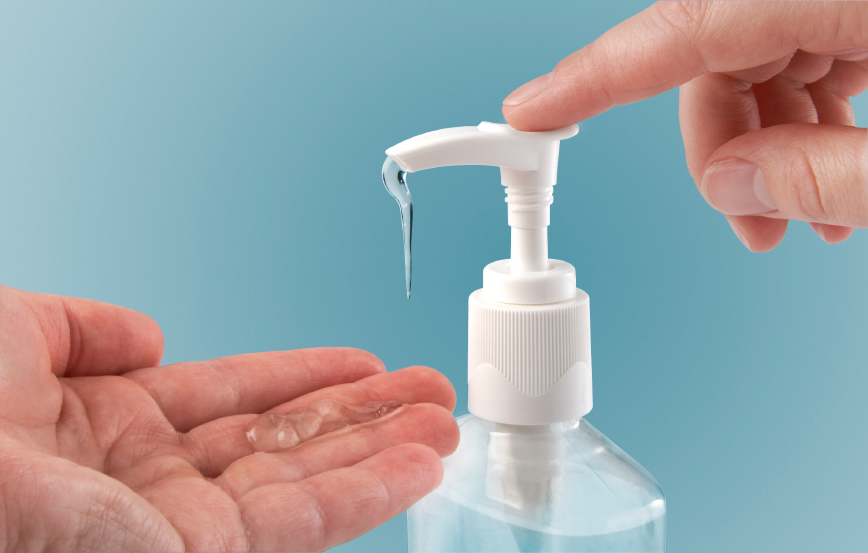
  • If soap and clean water are not available, use an alcohol-based hand rub to clean your hands. Alcohol-based hand rubs significantly reduce the number of germs on skin and are fast-acting.

When using an alcohol-based hand sanitizer:

  • Apply product to the palm of one hand.
  • Rub hands together.
  • Rub the product over all surfaces of hands and fingers until hands are dry. 

A simple and effective method of ensuring people wash their hands is to purchase a container of alcohol-based hand sanitizer and put it on a table in your room. Do not be shy about asking people to use it! It is up to you to make sure people who come into your room wash their hands.

Protect yourself from infection by making sure those who come in contact with you, whether they be staff caring for you or friends and family visiting you, wash their hands. The alternative, becoming infected with a contagious disease to save a few minutes of time just is not worth the risk.